Why Walk Jewish Europe
A Thousand Years, Written into the Streets
The Jewish story of Europe is not kept in a single museum — it is written into the streets themselves. It is in Prague's Josefov, where the old cemetery holds its dead twelve layers deep; in the Venetian island that gave the world the word ghetto; in Rome, where the community predates the Colosseum; in Kraków's Kazimierz, where the largest concentration of guided Jewish heritage tours in Europe now walks streets that were nearly emptied within living memory. Golden ages and expulsions, scholarship and catastrophe, revival — a thousand years of it, legible from the pavement if someone shows you how to read it.
That is what this site helps you choose: the right way to read it, in the right city. A walking tour or quarter tour covers the streets with a guide who knows what each stone means. A synagogue visit opens the great buildings — Dohány Street's Moorish domes, the Spanish Synagogue's gilded interior — together with the communities' stories. A memorial visit is a different kind of travel altogether, and we treat it that way: our pages on Auschwitz-Birkenau, the Anne Frank House, Dachau, Terezín and Sachsenhausen are written for preparation, not promotion. And a Jewish food tour tastes the diaspora directly — Rome's fried artichokes, Kazimierz's revival tables, New York's pastrami canon.
We don't sell anything on this page. Below, five categories of Jewish heritage experience, each with its own comparison of the cities where it's done best — pick the one that fits your trip, and book on the page that matches.
Choose Your Heritage Experience
Five Ways into Jewish Europe
Grouped into guided walks, visits, and food. Each category page compares the best cities to book it in.
Walks
A Thousand Years, on Foot
The classic format — Kraków's Kazimierz, Vienna, Amsterdam, Berlin, Venice's original ghetto and the Sephardic cities of Spain, walked with a guide who connects the whole story.
Josefov, the Ghetto & the Marais
Europe's historic Jewish quarters read at street level — Prague's six synagogues, Rome's ancient ghetto, Budapest's District VII, the Marais and Seville's judería.
Visits
The Great Shuls of Europe
Dohány Street's Moorish-revival domes, Prague's Spanish Synagogue, Rome's Great Synagogue — guided entry to the buildings and the museum wings that keep their memory.
Remembrance, Guided with Care
Auschwitz-Birkenau, the Anne Frank House, Dachau, Terezín, Sachsenhausen — practical, respectful guidance for visits that ask to be understood, not toured.
Food
Where to Go
Six Great Cities of Jewish Europe
Each links to its strongest heritage experience — start here if you already know your destination. Going somewhere else? Browse all twenty-two cities →
Kazimierz & Memory
The deepest guided-tour scene in Jewish Europe — Kazimierz's synagogues, the ghetto across the river, Schindler's factory, and Auschwitz-Birkenau an hour away.
Kraków Walking Tour →Josefov's Six Synagogues
The best-preserved Jewish quarter in Europe — the Old-New Synagogue, the layered cemetery, and the legend of the Golem in its home streets.
Prague Quarter Tour →Europe's Largest Synagogue
Dohány Street's Moorish-revival landmark, the Tree of Life memorial, and District VII — where the quarter's history sits beside its nightlife revival.
Dohány Street Visit →The Oldest Community in Europe
Jews have lived in Rome since before the Caesars — the ghetto by the Tiber holds the Great Synagogue, the story, and the best artichokes in Italy.
Rome Ghetto Tour →Spinoza to Anne Frank
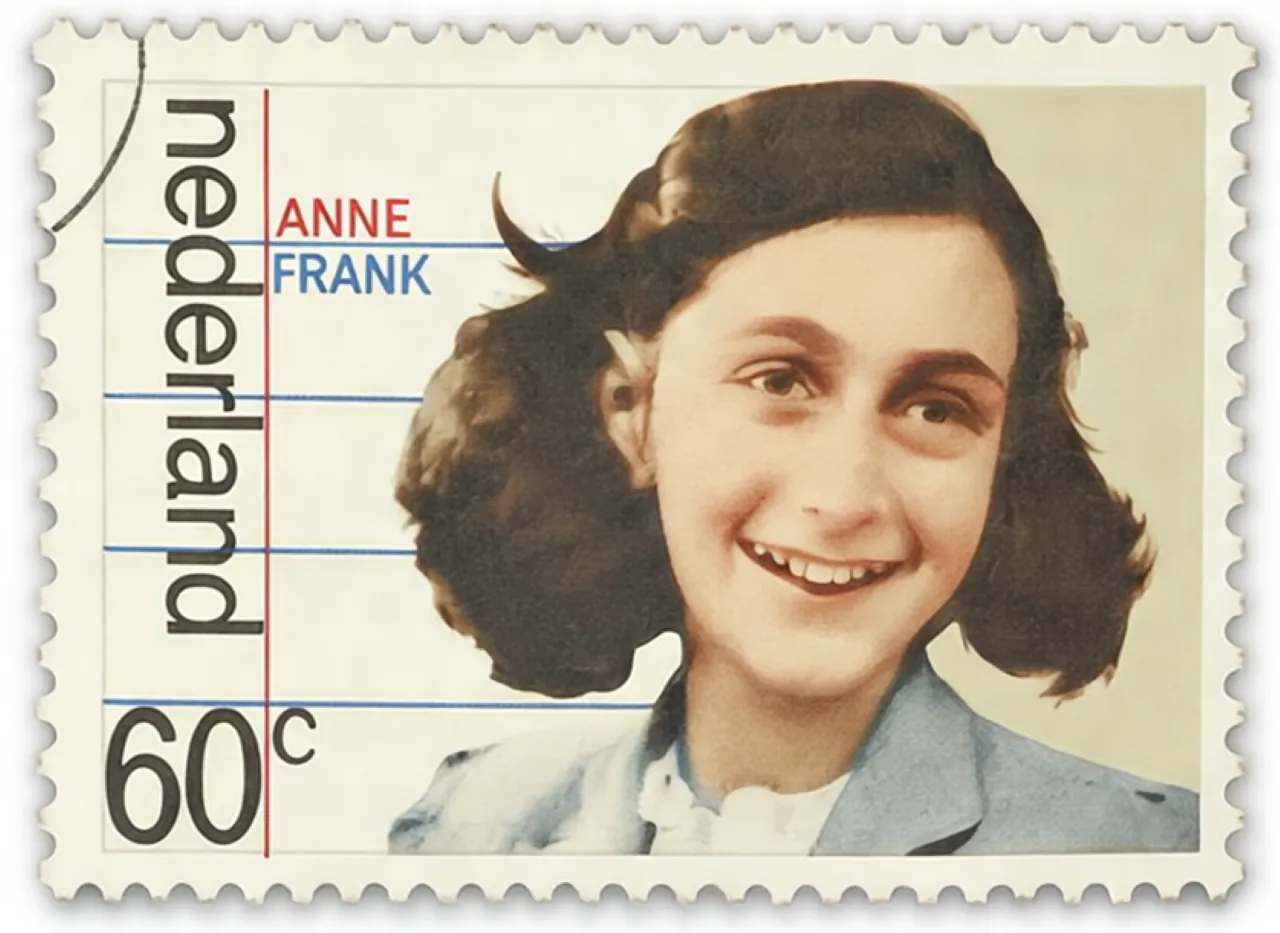
The Portuguese Synagogue, the old Jodenbuurt, and the canal-ring house where the century's most-read diary was written.
Amsterdam Walking Tour →The Original Ghetto
The island that gave the world the word, five hidden synagogues stacked in tenement floors, and a quiet campo that explains five centuries.
Venice Walking Tour →Walking Tour, Quarter Tour or Visit
Which Is Right for You?
Book a Jewish walking tour if you want the whole arc in one go — most run two to three hours and connect the quarter, a synagogue or two, and the city's memorial sites into a single narrative. It's the best first move in any city, and in places like Kraków or Vienna it reframes everything else you'll see. If the city's historic quarter is the main event — Josefov, the Roman ghetto, the Marais — a focused quarter tour goes deeper on the same streets.
Book a synagogue visit when the building is the destination: Dohány Street and the Spanish Synagogue are among Europe's great interiors, and guided entry adds the liturgy, the architecture and the community story that a ticket alone doesn't carry. A memorial visit is its own category — plan it with care, give it its own day where you can, and read our preparation guidance before you book; some sites require guided entry at peak hours and sell out weeks ahead.
And a Jewish food tour is the warmest way in — the diaspora's history told through what it cooked, from Rome's Renaissance frying tradition to the delis of New York. It pairs naturally with a walking tour on the same trip: one for the story, one for the table.
How to Choose
Three Questions to Plan Your Visit
Story, building, memory or table?
The street-level story → a walking or quarter tour. The great buildings → a synagogue visit. Remembrance → a memorial visit, planned with its own day. The food → a food tour.
Which city are you in?
Kraków has the deepest tour scene; Prague the best-preserved quarter; Budapest the greatest synagogue; Rome the oldest community and the best Jewish kitchen; Amsterdam and Berlin the most direct engagement with memory.
When are you going?
Synagogues close to visitors on Shabbat (Friday afternoon–Saturday evening) and Jewish holidays — plan those visits midweek. Anne Frank House and Auschwitz-Birkenau guided slots sell out weeks ahead in season; book those first and build the trip around them.
Before You Go
Field Guides Worth Reading First
Free, grounded preparation — the history, the etiquette and the practicalities, written to be read before you book anything.
Visiting Auschwitz from Kraków
How entry works, how to book, conduct and age guidance — the practical, respectful preparation for the day.
Read the guide →Anne Frank House Tickets, Explained
The Tuesday release, the six-week window, and what to do when tickets are gone — the mechanics, precisely.
Read the guide →Visiting a Synagogue
Dress, the kippah, Shabbat closures, security — everything a first-time visitor needs, spelled out.
Read the guide →The Stumbling Stones
Europe's smallest and largest memorial — how to read the brass stones you'll cross in every city on this site.
Read the guide →Jewish Heritage Travel — FAQ
What travelers ask before booking a Jewish heritage experience in Europe.
The name covers two different products: 2–3-hour guided city walks through a Jewish quarter with a local expert ($25–$60 — what this site compares), and multi-day escorted group tours across whole regions, often kosher-catered and priced in the thousands. Our heritage tours explained guide separates them so you book the right kind for your trip.
It depends on what you're looking for. Kraków has the deepest guided-tour scene (Kazimierz, the ghetto, Schindler's factory, and Auschwitz-Birkenau nearby); Prague has the best-preserved quarter in Josefov; Budapest has Europe's largest synagogue; Rome has the continent's oldest community and its best Jewish kitchen; Amsterdam holds the Anne Frank House and the Portuguese Synagogue. Our city pages compare the top-rated experiences in each.
Not at all — the great majority of participants aren't. The tours are history and culture tours, open to everyone, and guides are used to explaining traditions, holidays and terminology from the ground up. Curiosity and respect are the only prerequisites.
Guided walking and quarter tours typically run $25–$60 per person for two to three hours; synagogue entry with a guided visit $15–$40; Jewish food tours $60–$110 with tastings included; full guided visits to Auschwitz-Birkenau from Kraków, with transport, around $40–$90. Each page lists current prices.
It varies — some guides are community members, many are licensed local historians who have specialized in Jewish heritage for years. What matters is depth and care, which reviews reflect quickly in this niche; the tours we feature are the consistently top-rated ones.
Modest dress is appreciated; men are usually offered a kippah at the entrance (keeping it on inside is the respectful default), and most active synagogues close to tourists on Shabbat — from Friday afternoon to Saturday evening — and on Jewish holidays. Security screening at the door is normal across Europe; carry ID.
Give it its own day where possible, book guided entry early (Auschwitz-Birkenau limits peak-hour entry to guided groups, and the Anne Frank House sells out weeks ahead), and read a little beforehand — context deepens the visit. Expect restrictions on photography in certain areas, and expect the visit to stay with you; that is what the sites are for.
It's your trip, and there is no single right way — but most visitors find a memorial visit colors the rest of the day, and plan accordingly: memorial in the morning, quiet afternoon. Guides recommend not scheduling a food tour or entertainment immediately after. Our memorial pages carry practical guidance for each site.
Spring and early autumn are ideal walking weather across Central Europe. Be aware of the Jewish calendar: around the High Holidays (September–October, dates shift yearly) and Passover, synagogues close to visitors more often — while Jewish-quarter life is at its most visible. Summer brings the crowds; winter tours run but days are short.
Walking, quarter, synagogue and food tours — absolutely, and many guides are excellent with kids. Holocaust memorial sites set their own guidance: the Auschwitz Memorial recommends its visit for those over 14, and the Anne Frank House advises the museum is not suitable for children under 10, with parents judging readiness above that. Our memorial pages note each site's position.
Walking and food tours: a few days to a week is usually enough, with free cancellation common. The two exceptions are the memorial sites — Anne Frank House tickets are released six weeks ahead (Tuesdays, 10:00 CET) and typically sell out within hours, and Auschwitz-Birkenau guided slots fill weeks ahead in season — book those first and plan the rest of the trip around them.
Still have questions? Email us at info@jewish-walking-tour.com